

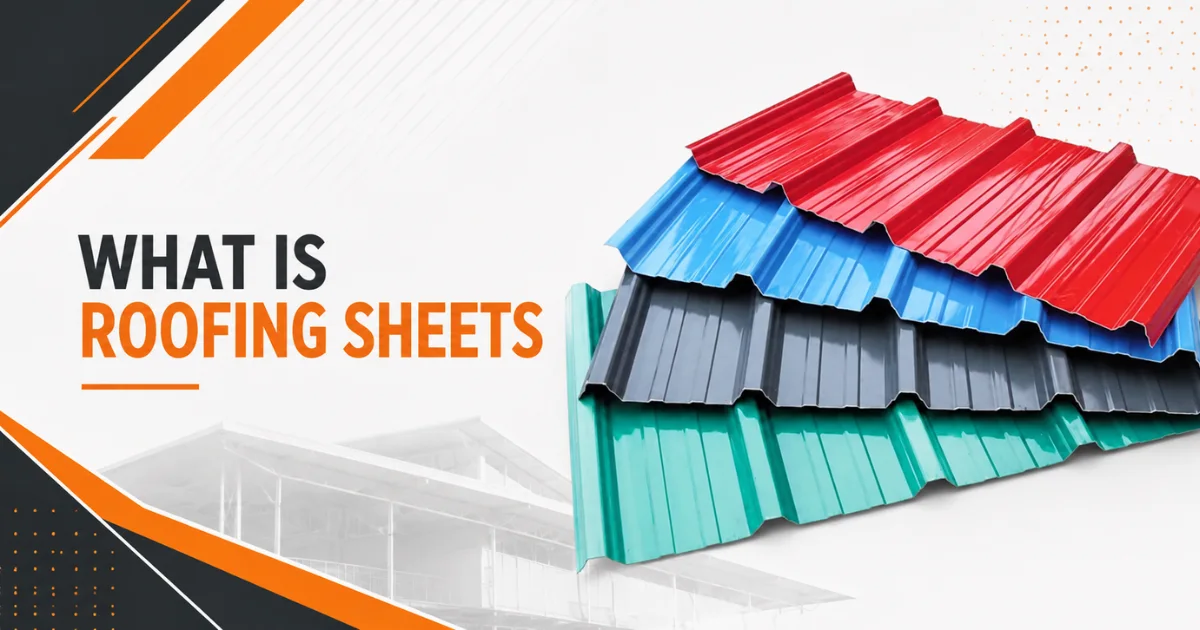
What is a Roofing System?
A roofing system is much more than the visible outer layer that protects a building. It is a carefully designed structure made up of multiple components that work together to provide shelter, insulation, drainage, and long-term durability. Whether it is a residential home, commercial warehouse, or industrial facility, the roofing system plays a vital role in ensuring safety, comfort, and structural integrity.
In India’s diverse climate—from heavy monsoons to intense summer heat – a well-designed roofing system becomes even more important. It protects against water leakage, heat gain, wind uplift, and environmental damage.
Understanding the fundamentals of a roofing system helps customers make informed decisions that improve performance and reduce maintenance costs over time.
Let us explore what a roofing system truly involves and why it is essential for modern construction.
The Purpose and Importance of a Roofing System
A roofing system serves several key functions. It is not just about covering a building; it is about creating a reliable protective envelope.
Protection Against Weather Elements
The primary function of any roofing system is protection. It shields the building from rain, sun, wind, and dust. In regions with heavy rainfall, proper roof design prevents water seepage and structural damage. During hot summers, it reduces heat transfer into the building, keeping indoor spaces more comfortable.
Without an efficient roofing system, moisture can enter the structure. This can lead to mould growth, corrosion, and long-term structural problems.
Structural Support and Stability
A roofing system is engineered to safely distribute loads. These loads include the weight of the roof itself, wind pressure, and occasionally debris or maintenance traffic. The structure must be strong enough to withstand environmental stress while maintaining stability.
A well-planned roofing solution ensures that the building remains secure and durable for decades.
Beyond material choice, selecting the appropriate roofing sheet gauge determines how well a roof handles loads, wind pressure, and long-span structural demands without sagging or bending
Energy Efficiency and Indoor Comfort
Modern roofing systems also contribute to energy efficiency. By reducing heat absorption and improving insulation, they help maintain stable indoor temperatures. This reduces the need for excessive cooling or heating, thereby lowering electricity bills.
In commercial buildings, improved energy performance can significantly reduce operating costs.
Core System Components
Understanding the core components of a roofing system helps clarify how it functions as a complete unit.
Roof Deck or Structural Base
The roof deck is the foundation of the roofing system. It supports all other components and transfers loads to the building structure. It must be strong, properly aligned, and securely fixed to ensure overall stability.
A weak or improperly installed deck can compromise the entire roofing system.
Insulation Layer
The insulation layer controls heat transfer. In India’s climate, effective insulation reduces heat gain during summer and prevents excessive temperature variation inside the building.
Insulation also helps reduce condensation, which protects the internal structure from moisture damage.
Waterproofing and Protective Layers
Waterproofing is one of the most critical elements of a roofing system. It prevents water infiltration during heavy rain. Protective layers also guard against UV radiation, chemical exposure, and physical wear.
When these layers are properly installed, they extend the roof’s lifespan and reduce maintenance requirements.
Drainage System
An efficient drainage system ensures that rainwater flows smoothly off the roof. Poor drainage can cause water pooling, which increases the risk of leakage and structural stress.
Proper slope design, gutters, and downpipes are essential for effective drainage.
Materials Used in Modern Roofing Systems
The choice of materials used in modern roofing systems — from corrugated galvanised steel to PUF insulated panels and aluminium — directly affects performance, durability, and maintenance cost
Durability and Longevity
High-quality materials resist corrosion, impact, and environmental stress. In industrial and commercial projects, durability is especially important because downtime for repairs can disrupt operations.
Selecting reliable materials ensures long-term cost savings and better protection.
Thermal Performance
Some roofing materials are designed to reflect sunlight and reduce heat absorption. This improves thermal comfort and supports energy-efficient building design.
In urban areas, reflective roofing solutions also help reduce the urban heat island effect.
Sustainability and Environmental Impact
Sustainability is becoming a key factor in construction. Modern roofing systems may incorporate recyclable materials and eco-friendly components. Proper insulation also reduces energy consumption, supporting greener building practices.
Choosing sustainable materials is not only environmentally responsible but also beneficial for long-term performance.
Installation and Safety Considerations
Proper installation is just as important as material selection. Even the best materials can fail if installed incorrectly.
Professional Planning and Design
Before installation begins, detailed planning is essential. Factors such as building load, local climate, slope design, and drainage must be carefully evaluated.
A professionally designed roofing system reduces the risk of structural failure and water leakage.
Safety During Installation
Roof installation involves working at height, which carries inherent risks. Safety measures such as protective gear, secure scaffolding, and proper training are critical.
Ensuring safety during installation protects workers and ensures quality workmanship.
Maintenance and Inspection
Regular inspection keeps a roofing system in optimal condition. Checking for loose components, blocked drainage, or early signs of wear can prevent major damage.
Routine maintenance extends the lifespan of the roof and protects the building investment.
Conclusion
So, what is a roofing system? It is a carefully engineered assembly that protects a building from environmental stress while enhancing comfort and energy performance. It includes structural support, insulation, waterproofing, and drainage components that work together seamlessly.
In a country like India, where climate conditions vary widely, choosing the right roofing system is a critical decision. When thoughtfully designed and professionally installed, it becomes one of the most valuable parts of any building.
A strong roof does more than provide shelter. It safeguards your investment, improves efficiency, and ensures safety for years to come.