

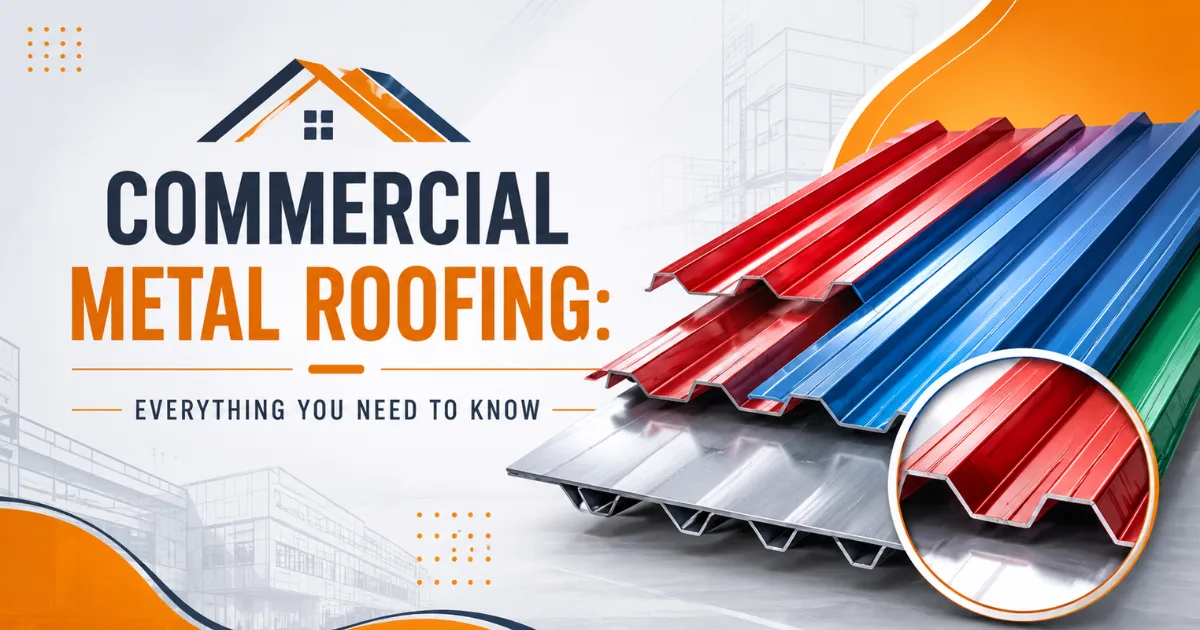
Commercial buildings need roofing systems that are durable, practical, and cost-effective in the long run. This is why many businesses today are shifting towards commercial metal roofing for warehouses, factories, retail spaces, agricultural structures, and office buildings.
Unlike conventional roofing materials, which may require frequent repairs or replacement, commercial metal roofing systems are designed to withstand harsh environmental conditions and maintain structural integrity for decades.
In this guide, we will explore the different types, benefits, installation considerations, applications, and maintenance practices associated with commercial metal roofing systems.
What is Commercial Metal Roofing?
Commercial metal roofing refers to roofing systems made from metal panels or sheets specifically designed for commercial, industrial, agricultural, and large-scale structures. These roofing systems are engineered to provide long-lasting protection against weathering, corrosion, and heavy use.
Unlike residential roofing, commercial roofing systems often span larger areas and require higher structural performance. Metal roofing panels are commonly manufactured using steel, aluminium, zinc, or copper and are available in different profiles such as standing seam, corrugated sheets, and structural panels.
Modern commercial metal roofing systems are popular because they combine strength with low maintenance requirements. They can also improve energy efficiency and contribute to sustainable building practices, making them suitable for both new construction and renovation projects.
Why Do Commercial Building Owners Choose Metal Roofing?
Commercial property owners prefer metal roofing because it delivers long-term value. From durability to sustainability, commercial metal roofing offers several advantages that help reduce operational and maintenance costs over time.
Exceptional lifespan
One of the biggest advantages of commercial metal roofing is its long service life. Depending on the material and maintenance practices, metal roofs can last between 40 and 70 years. This makes them a highly cost-effective investment for commercial buildings that require dependable roofing performance over the long term.
Metal roofs also maintain their structural integrity better than many traditional roofing systems. They are less prone to cracking, warping, or moisture- and temperature-related deterioration.
Low maintenance requirements
Commercial building owners appreciate metal roofing because it requires very little maintenance compared to other roofing materials. Routine inspections and occasional cleaning are usually enough to keep the roof in good condition.
Many commercial metal roofing systems are designed with protective coatings that resist rust, corrosion, and fading. This reduces the need for frequent repairs and lowers property owners’ overall maintenance expenses.
Superior weather resistance
Metal roofs perform exceptionally well in extreme weather conditions. They can withstand heavy rainfall, strong winds, hail, and prolonged exposure to the sun without significant damage.
This weather resistance makes commercial metal roofing ideal for industrial and commercial buildings located in regions with challenging climates. Properly installed systems also provide excellent leak protection and water drainage.
Energy efficiency
Energy efficiency is another reason businesses prefer metal roofing systems. Reflective coatings on metal roofs help reduce heat absorption, keeping indoor spaces cooler during hot weather.
As a result, commercial metal roofing can lower cooling costs and improve indoor comfort. This energy-saving feature is especially beneficial for warehouses, factories, and commercial facilities with large roof areas.
Sustainability
Metal roofing is considered an environmentally friendly roofing solution because most metal materials are recyclable. Many roofing panels are manufactured using recycled content, reducing environmental impact.
In addition, the long lifespan of commercial metal roofing reduces construction waste generated by frequent roof replacements. It makes metal roofing an excellent option for sustainable commercial construction projects.
Types of Commercial Metal Roofing Systems
There are several types of metal roofing systems available for commercial applications. Each system has unique features and advantages depending on the building structure and project requirements.
Standing Seam
Standing seam roofing is one of the most popular choices in commercial metal roofing because of its clean appearance and superior weather protection. It features concealed fasteners, which reduce the risk of water leakage and corrosion over time.
The raised seams also allow thermal movement, helping the roof expand and contract naturally with temperature changes. Standing seam systems are commonly used for offices, retail spaces, and modern industrial buildings.
Corrugated Metal Panels
Corrugated metal panels are recognised for their wave-like profile and strong structural performance. These panels are lightweight, durable, and relatively economical, making them suitable for large-scale roofing projects.
Many warehouses and agricultural structures use corrugated panels because they provide reliable protection while keeping installation costs manageable. Corrugated roofing remains a practical option within the commercial metal roofing industry.
Structural Metal Panels (R-panels and PBR Panels)
Structural metal panels, such as R-panels and PBR panels, are commonly used in industrial and commercial applications. These panels are designed to handle heavy loads and demanding weather conditions.
PBR panels include an additional bearing leg that improves support and stability. These roofing systems are widely used in factories, warehouses, and other industrial facilities that require strong, dependable commercial metal roofing solutions.
Installation Considerations
Proper installation plays a major role in the performance and longevity of metal roofing systems. Commercial projects require careful planning, accurate fabrication, and skilled installation practices.
Structural requirements
Before installing a metal roof, the building structure must be evaluated to ensure it can support the roofing system. Factors such as roof slope, load-bearing capacity, and wind uplift resistance must be carefully considered.
Commercial roofing contractors often conduct structural assessments to determine the most suitable commercial metal roofing system for the building. Proper structural planning helps avoid future performance issues.
Panel fabrication
Accurate panel fabrication is essential for achieving proper roof fit and performance. Panels are typically customised according to the building dimensions and design specifications.
Well-fabricated panels improve installation efficiency and reduce the risk of gaps, leaks, or alignment problems. Precision manufacturing also enhances the overall durability of commercial metal roofing systems.
Thermal movement
Metal roofing naturally expands and contracts due to temperature changes. Proper allowance for thermal movement is necessary during installation to prevent stress on the panels and fasteners.
Modern roofing systems are designed with clips and fastening methods that accommodate this movement. It ensures long-term stability and prevents premature damage to the roofing structure.
Weather sensitivity during installation
Weather conditions can significantly affect the quality of roofing installation. Rain, high humidity, or strong winds may interfere with panel placement and sealing processes.
Professional contractors usually schedule commercial metal roofing installation during suitable weather conditions to ensure better workmanship and roof performance.
Timeline
Installation timelines depend on the project size, roof design, and weather conditions. Metal roofing systems are generally quicker to install compared to some traditional roofing materials.
Efficient installation reduces disruption to commercial operations and allows businesses to resume normal activities sooner. Proper project planning also helps maintain construction schedules and budgets.
Common Applications of Commercial Metal Roofing
Metal roofing systems are widely used across various commercial and industrial sectors because of their durability and versatility.
Industrial Buildings/Warehouses
Warehouses and industrial facilities require roofing systems that span large areas while providing long-term durability. Metal roofs provide excellent structural strength and low maintenance, making them highly suitable for industrial applications.
The durability of commercial metal roofing also helps protect valuable equipment and inventory stored within industrial buildings.
Retail/Commercial
Retail stores, shopping complexes, and commercial spaces often use metal roofing for both functional and aesthetic reasons. Modern metal roof designs create a sleek appearance while providing reliable weather protection.
Many business owners choose metal roofs because they improve energy efficiency and reduce long-term maintenance costs for commercial properties.
Agricultural/Stables:
Agricultural buildings and stables benefit greatly from metal roofing because of its resistance to moisture, pests, and harsh environmental conditions.
Farm structures require roofing systems that can handle varying weather exposure throughout the year. Metal roofs provide dependable performance and long service life for agricultural applications.
Metal Options Used
Different metals are used in commercial roofing systems, each offering unique advantages in terms of strength, appearance, and corrosion resistance.
Steel
Steel is one of the most commonly used materials in commercial metal roofing because of its strength and affordability. Galvanised and coated steel panels offer excellent durability and corrosion resistance.
Steel roofing is widely used for warehouses, factories, and industrial structures that require strong structural performance.
Aluminum
Aluminium roofing is lightweight and highly corrosion-resistant, making it suitable for coastal and humid environments.
Its lightweight nature also reduces structural load, making installation easier for certain commercial buildings. Aluminium roofing systems are often chosen for projects requiring enhanced corrosion protection.
Copper
Copper roofing is known for its premium appearance and exceptional longevity. Over time, copper develops a distinctive patina that enhances its visual appeal.
Although copper is more expensive than other materials, it offers unmatched durability and aesthetic value for high-end commercial projects.
Zinc
Zinc roofing is valued for its self-healing properties and long lifespan. Minor scratches on zinc surfaces naturally repair themselves over time through weather exposure.
Zinc is also highly sustainable and recyclable, making it a preferred option for environmentally conscious commercial construction projects.
Maintenance and Repair Tips
Although commercial metal roofing requires minimal maintenance, regular inspections are still important to ensure long-term performance. Building owners should check for loose fasteners, debris accumulation, damaged sealants, and drainage blockages.
Cleaning the roof periodically helps prevent dirt buildup and moisture retention. Promptly repairing minor issues, such as scratches or minor leaks, can prevent larger structural problems later.
It is also advisable to schedule professional roof inspections annually, especially after severe weather conditions. Preventive maintenance helps extend the lifespan of roofs and maintain optimal performance in commercial properties.
Conclusion
Commercial roofing systems must deliver durability, efficiency, and long-term value. This is why commercial metal roofing remains one of the most trusted roofing solutions for industrial, retail, and agricultural buildings.
From exceptional lifespan and weather resistance to sustainability and low maintenance, metal roofing offers several advantages that support modern commercial construction needs. With various roofing profiles and metal options available, businesses can choose systems that match both performance expectations and architectural style.
When properly installed and maintained, commercial metal roofing provides reliable protection and cost savings for decades, making it a smart investment for commercial property owners across India and beyond.